Most businesses don’t set out to create disconnected systems - a CRM gets introduced here, an accounting platform there, inventory software tracks stock levels, an eCommerce website powers sales…. Individually, each system does its job well, but the challenge comes when none of them are speaking to one another.
Teams find themselves manually copying information between platforms, checking spreadsheets to confirm stock availability, re-entering order details into finance systems and spending time fixing errors that could have been avoided altogether. As businesses grow, these inefficiencies often become accepted as part of everyday operations - but they don't have to be.
The Hidden Cost of Disconnected Systems
It's easy to underestimate the impact of disconnected technology.
A customer places an order online, but stock levels haven't been updated, an invoice needs creating manually, customer information sits in multiple systems with conflicting data and staff spend hours carrying out administrative tasks that technology could complete in seconds.
Individually, these issues may seem minor but collectively, they create friction throughout the business. The result is slower processes, increased operational costs, greater risk of human error and a customer experience that falls short of expectations. For growing organisations, these challenges can quickly become barriers to scaling effectively.
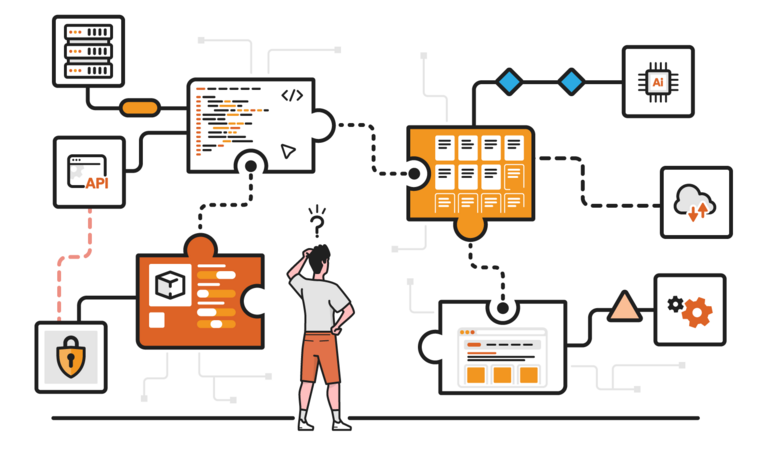
What Is Systems Integration?
At its simplest, systems integration is about enabling different platforms and technologies to communicate with one another.
Think of it as introducing two people who have been working in the same office for years but have never actually met. Through secure web services and APIs, information can move automatically between systems, ensuring that every platform has access to accurate, up-to-date information exactly when it needs it.Rather than operating as isolated tools, your technology ecosystem becomes a connected network working towards the same outcome.
This might mean:
- Orders placed on your website automatically appearing within your finance system.
- Stock levels updating in real time from supplier inventory platforms.
- Customer records synchronising across your CRM and marketing tools.
- Production and fulfilment teams receiving instant updates when new orders arrive.
- Reporting drawing data from multiple sources to provide a complete view of business performance.
The technology itself is important, but the real value lies in what it enables.
Creating Better Experiences for Customers
Customers rarely think about your internal systems but they do notice whether products are available, orders arrive on time and communication is accurate.
When systems are integrated, you can respond faster, provide more reliable information and remove many of the frustrations that negatively impact customer experience. The customer may never know why the experience feels smoother, but they'll remember that it did.
Improving Efficiency Behind the Scenes
For many organisations, the most immediate benefits are felt internally. Manual processes consume significant amounts of time across departments - teams often spend hours moving information between systems simply because the technology isn't connected.
Integration removes much of this repetitive work. Instead of staff acting as translators between platforms, data flows automatically where it's needed. This reduces administration, minimises errors and frees teams to focus on higher-value activities.
Looking Beyond the Website
Increasingly, the most successful digital businesses view their website as more than a standalone marketing or sales tool. A thoughtful web presence can become the front-end of a much larger connected ecosystem, bringing together data, processes and services from across the organisation.
When integrated effectively, it can serve as the central hub connecting finance, stock management, CRM, production, fulfilment, customer support and third-party platforms. The result is a business that is more responsive, more intelligent and significantly easier to scale.
Building Connected Digital Experiences
Often, the biggest opportunities lie behind the scenes. By identifying where systems can be connected, processes streamlined and data shared more effectively, we help businesses create digital ecosystems that are built around efficiency, flexibility and growth.
Whether integrating eCommerce platforms with internal business systems, connecting customer data across multiple touchpoints or developing bespoke digital solutions, the objective is always the same: creating technology that works together seamlessly.
When your systems stop speaking different languages, your entire organisation becomes faster, smarter and better equipped to serve the people who matter most, your audience.
To speak to the team about bringing your systems together, contact us.


Results
Sort by:
Type:
From {{ group.title }}
Sorry, there are no results to show